Arts and Crafts
Goal of Arts and Crafts
- To cultivate the pleasure and joy of artistic creation.
Point of focus
- Children love to draw pictures and make things. They enjoy it because they like doing it! And they like doing it because they enjoy it! We want to carefully nurture and develop this joy of making things and giving shape to one’s ideas.
Playing with images
Children possess an unbounded, fresh sensibility and free-spirited ideas.
When they enjoy the creative process, their ideas expand all the more.
We provide students with topics and materials that enable them to make rich artwork creatively and emotionally, as well as a free atmosphere that empowers students to enjoy the process of creation with a playful spirit.
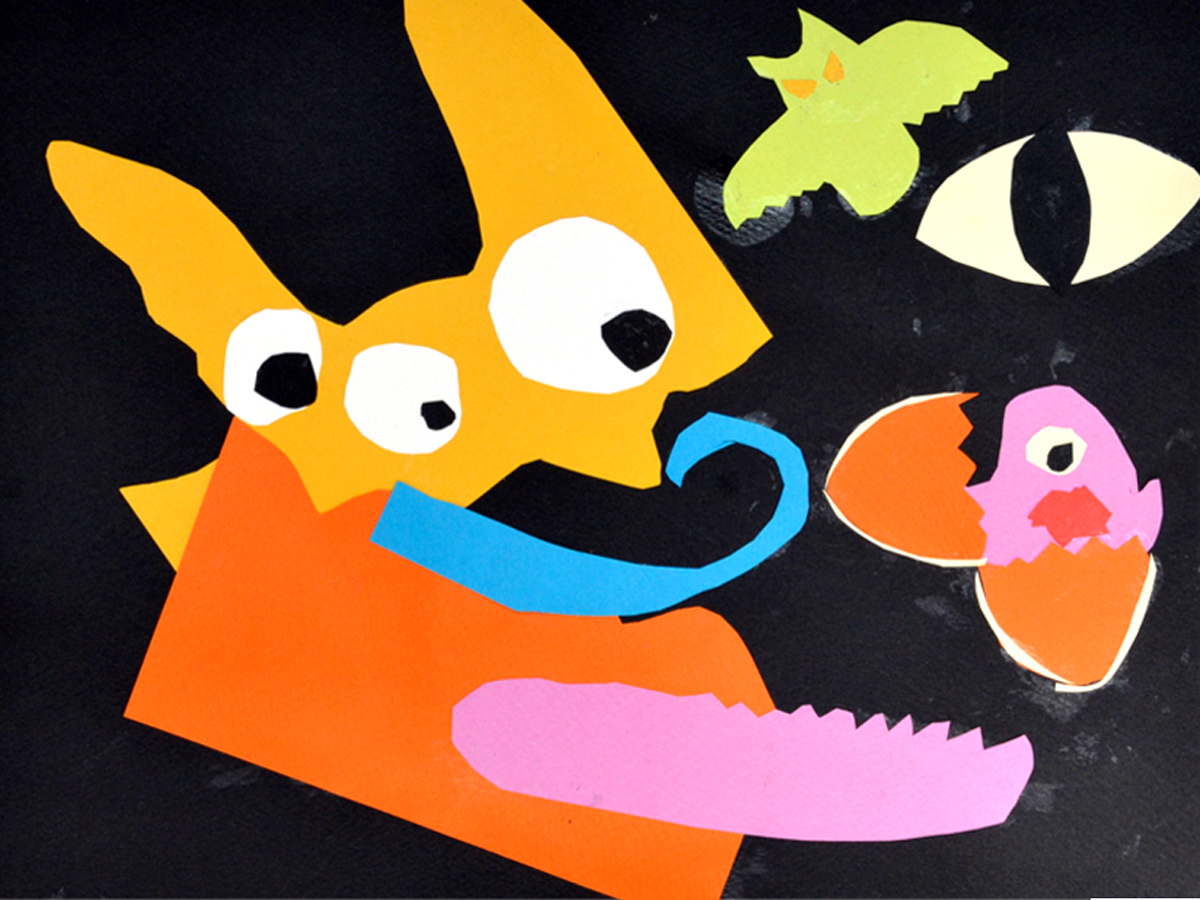
Grade 1: “One-eyed Ghost”
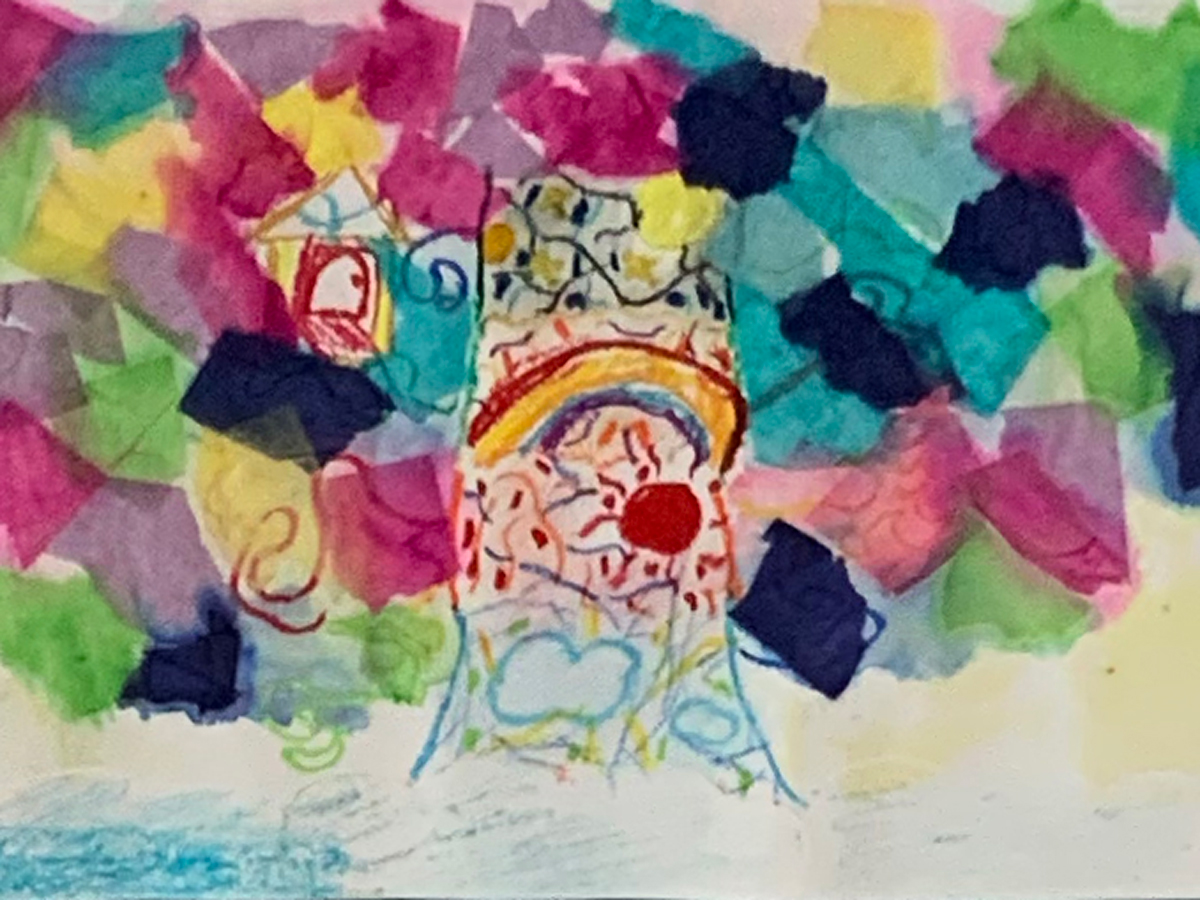
Grade 2: “Mochimochi Tree”
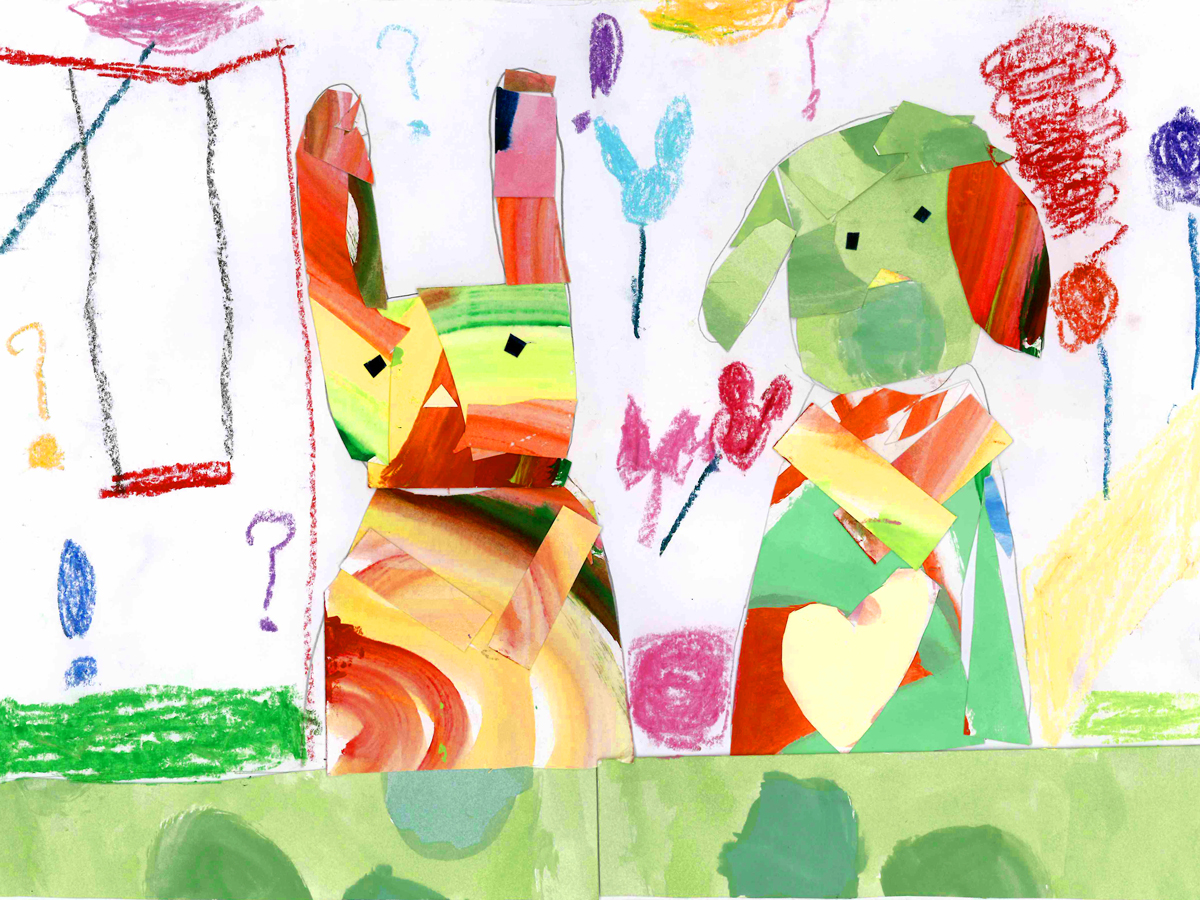
Grade 3: "Colorfully Patterned Creatures”
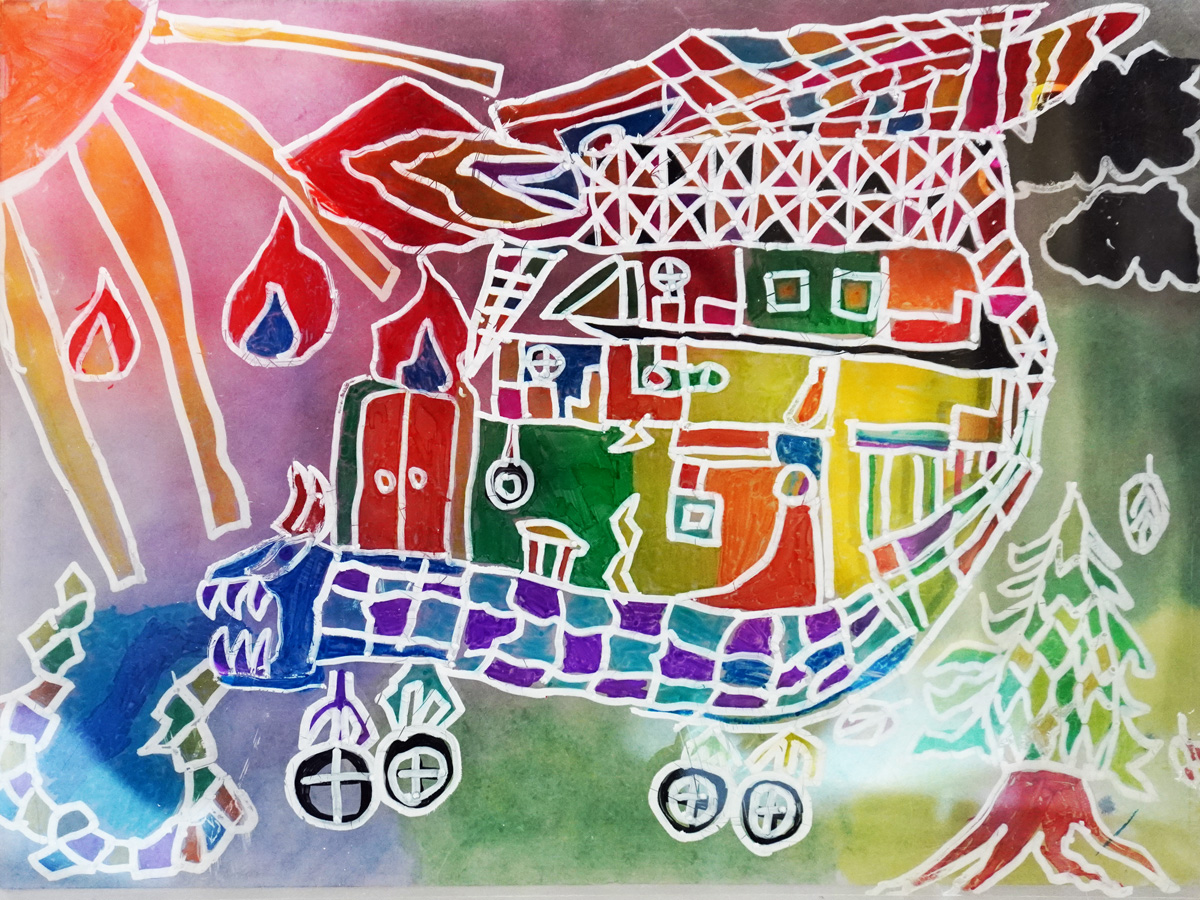
Grade 4: “The Castle I Want to Go to and Live In”
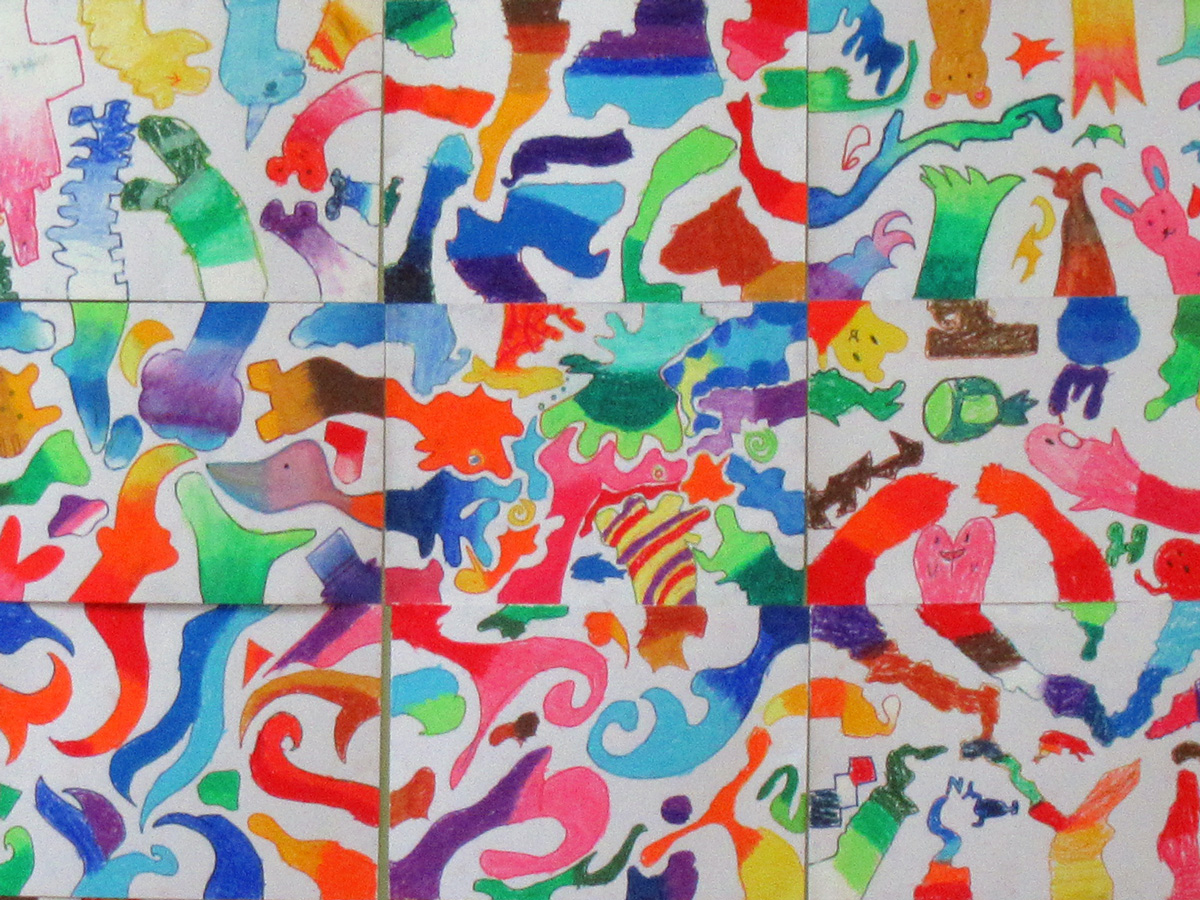
Grade 5: “Connecting Pictures”
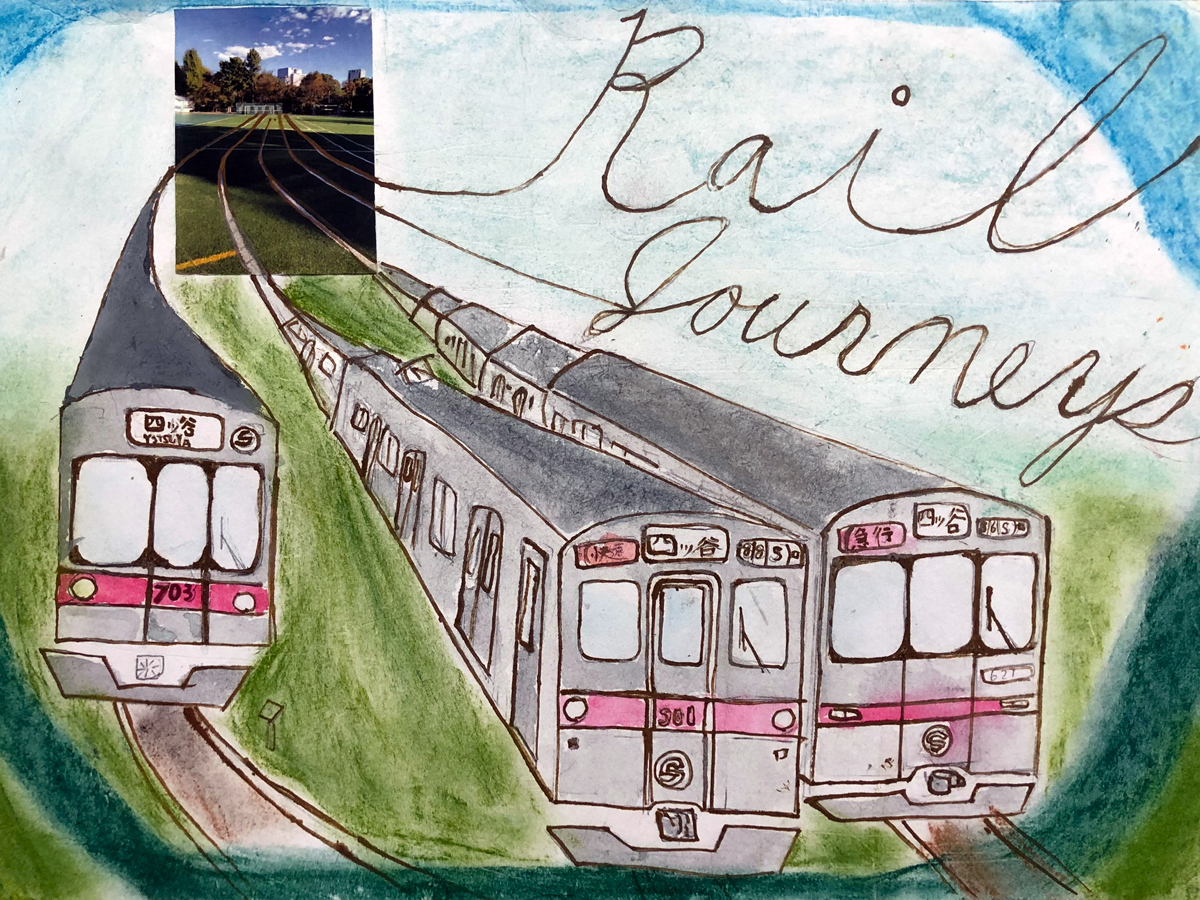
Grade 6: “Expanding the World of a Daydream”
Feeling nature
In spring, all the students of the school participate in a sketching session called “the Sketch Day.” With sketchbooks in hand and feeling a refreshing breeze amid soft fresh greenery, Grade 1 and 2 students work in the school grounds, decorated with fluttering carp streamers put up for Children’s Day. Meanwhile, students of Grades 3 to 6 take their sketchbooks to work in the abundant nature of the Shinjuku Gyoen National Garden.
It is amazing to see how much students mature between Grades 1 and 6 in their ability to observe and reflect on nature and in their expressive skills.
Grade 1
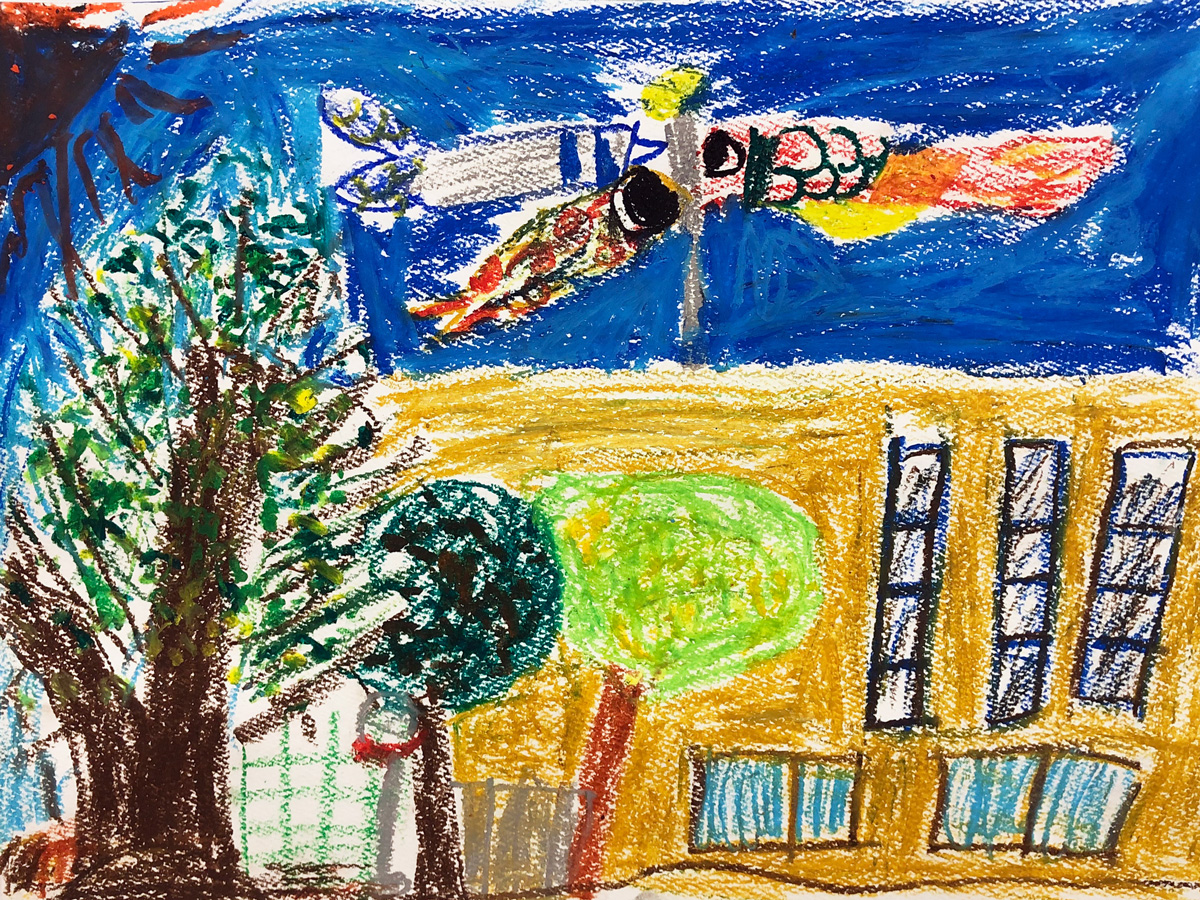
Grade 2
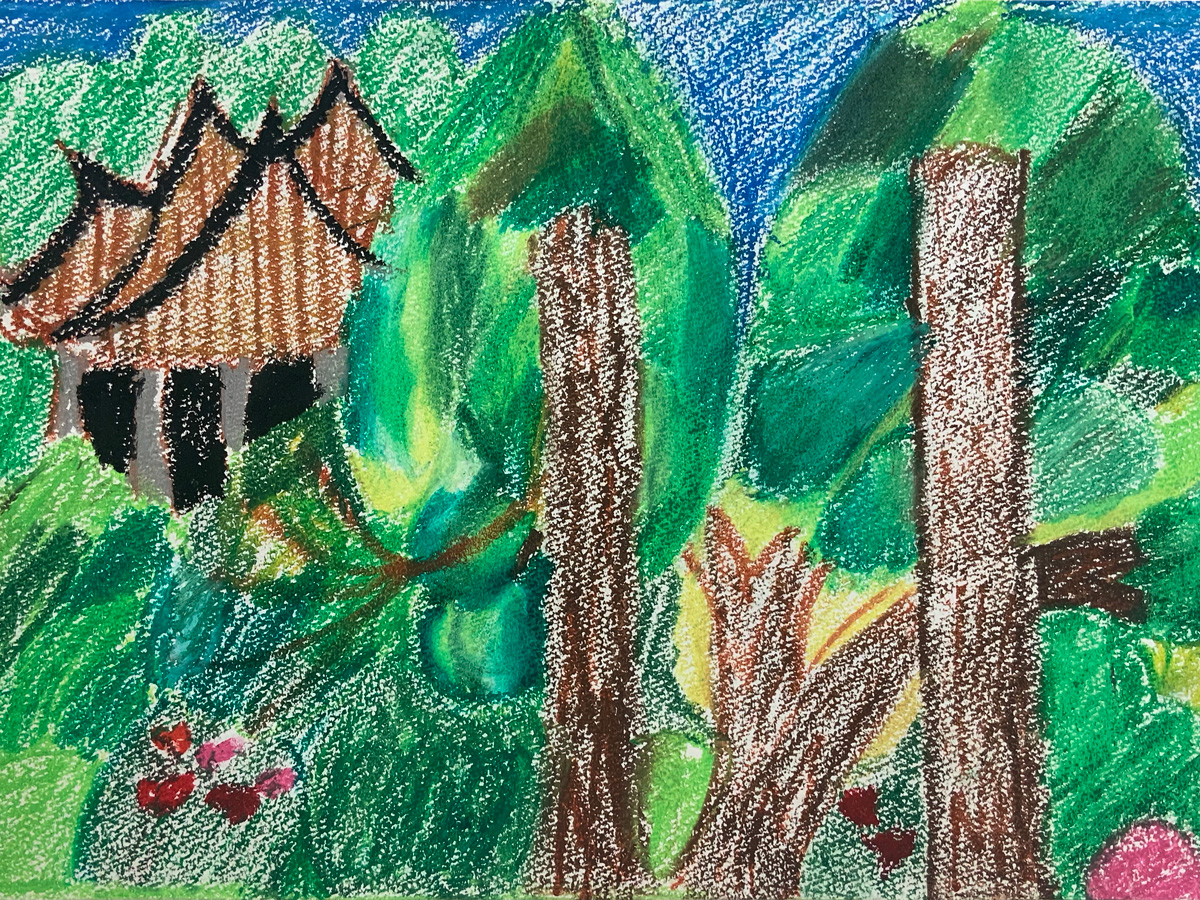
Grade 3
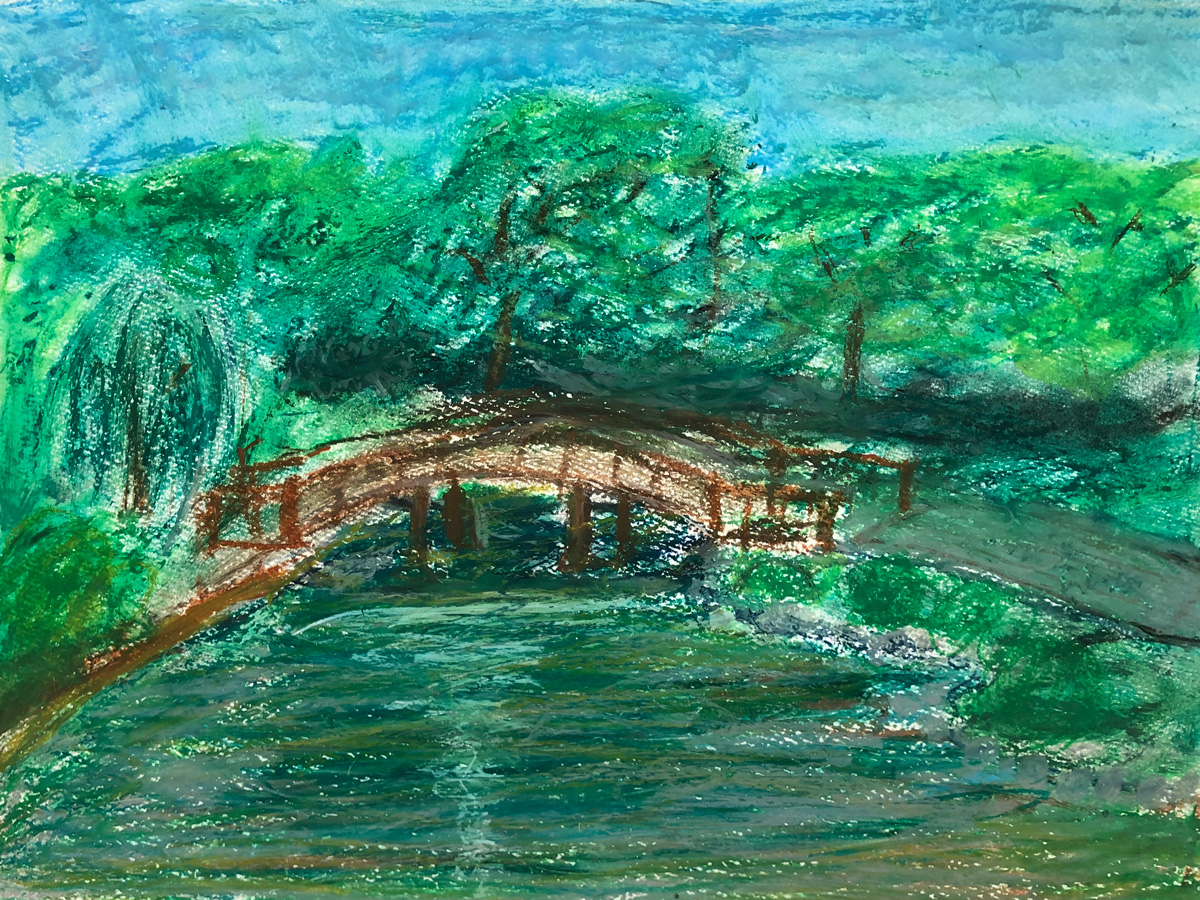
Grade 4
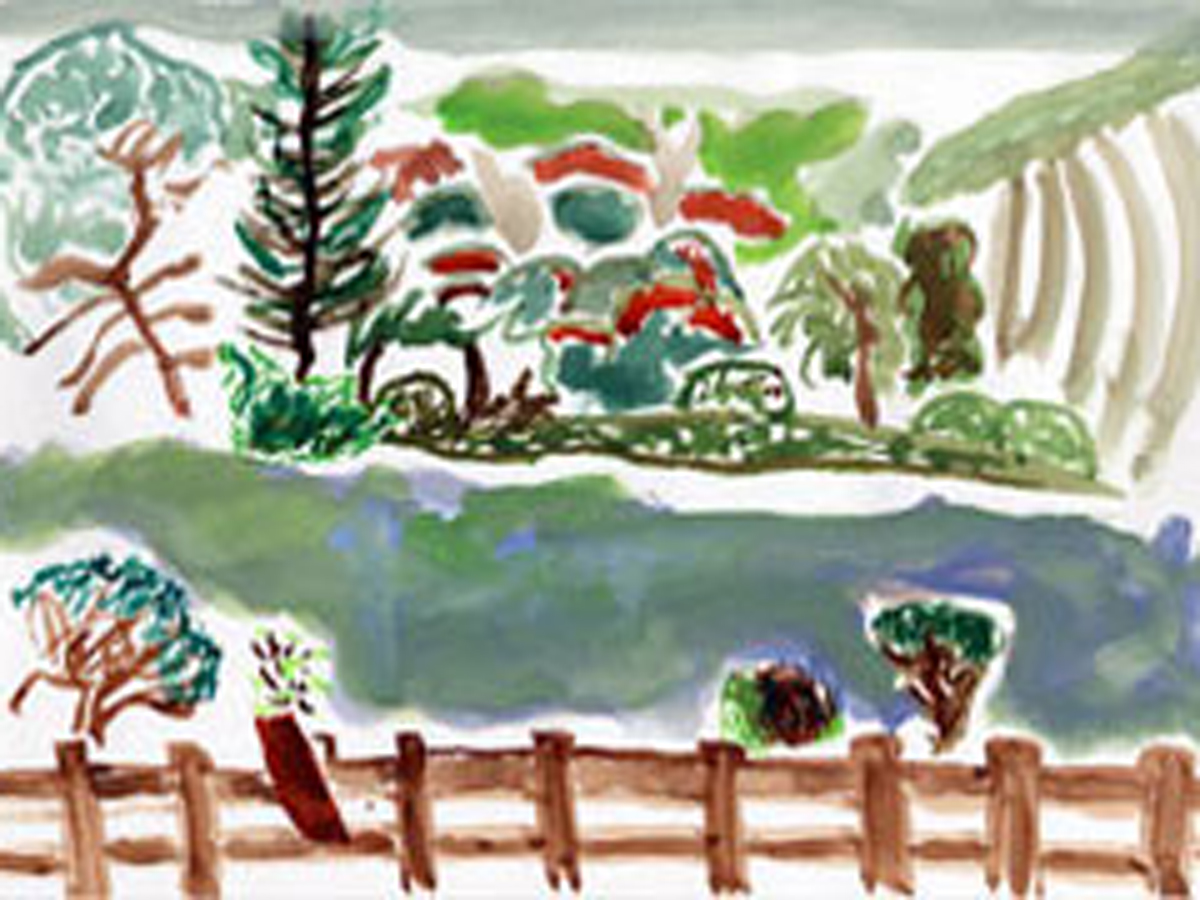
Grade 5
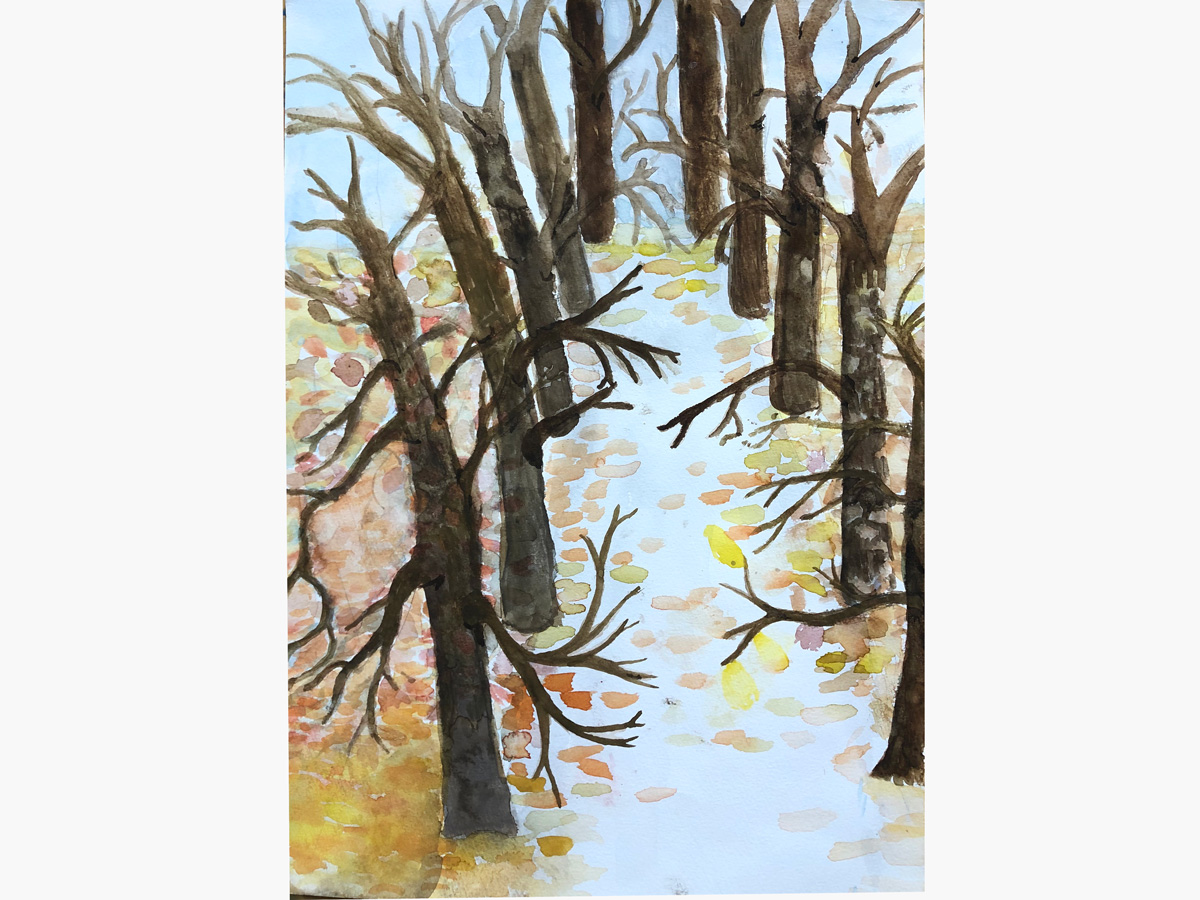
Grade 6
Getting familiar with materials
For children, experiencing a variety of materials and methods of expression is a fresh delight, as well as a source of new ideas. At the Primary School, students start out with paper, crayons, and watercolours, before venturing into clay modelling, ceramics, and woodworking with saws, planes, and electric tools. They are encouraged to create art not just with the materials provided, but also with the diversity of materials available in their surroundings.
The children experience the beautiful colours of nature very directly through works created using pigments made from ground-up stones they collect themselves and dye made from indigo leaves grown at the school.
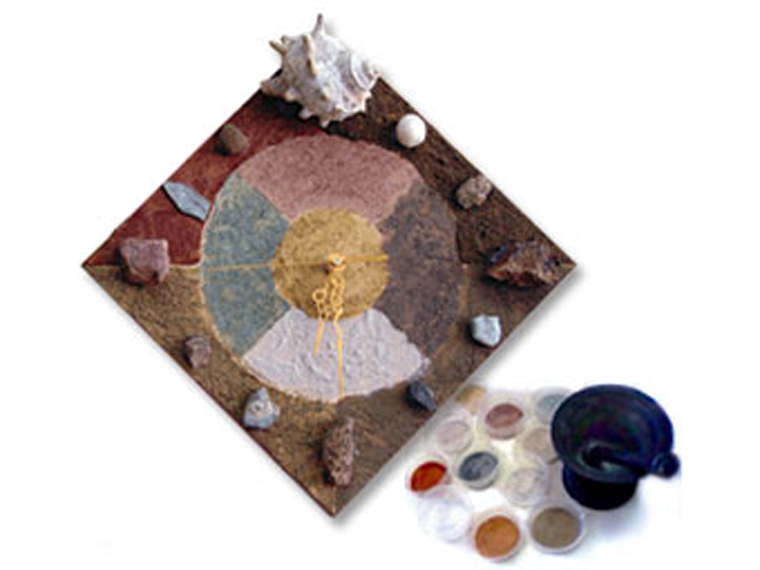
Handmade paint from stones
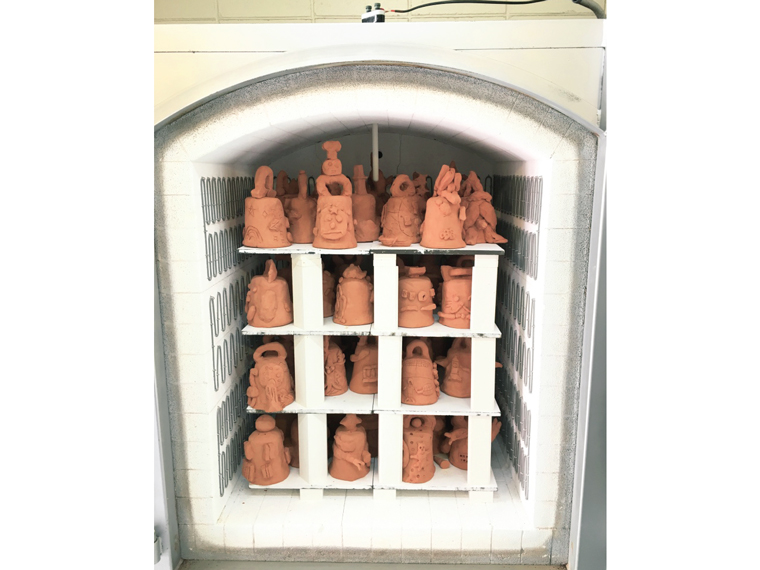
Pottery
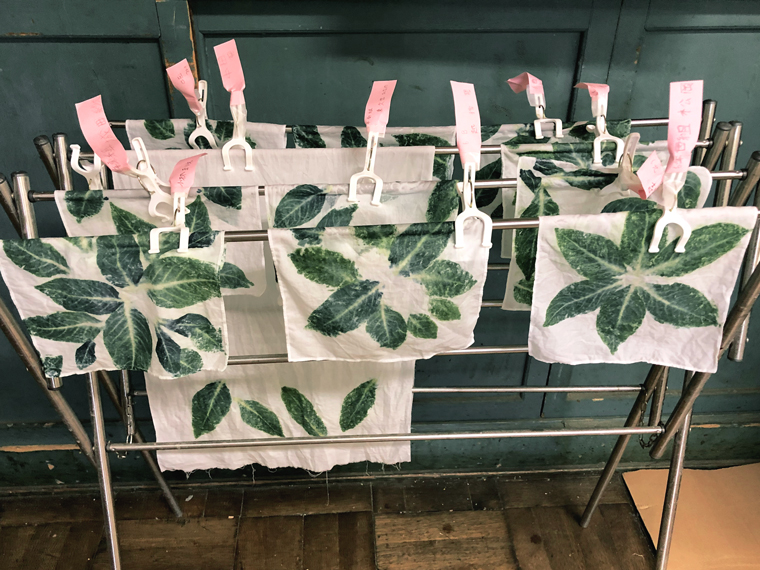
Tatakizome dyeing with indigo
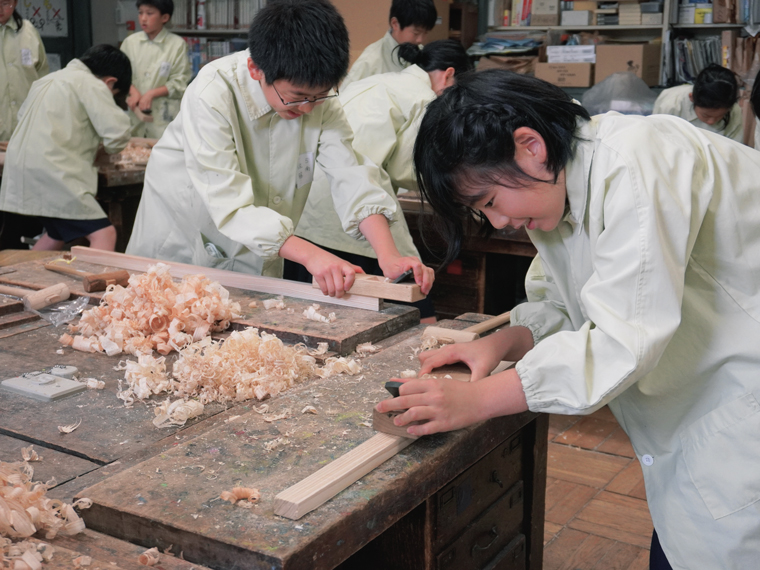
Grade 5 students using a plane
Exposure to a diversity of expression
It is important for students to exhibit and view the works they complete.
The main occasions for exhibition are the Open School Day in June and the Primary School Festival in November. All students of the school from Grades 1 to 6 also have a joint exhibition of their works on a single theme at the Tokyo Private Elementary Schools Children’s Exhibition (“Hora, Dekitayo!”) held at the Matsuya Ginza department store in January.
It is very encouraging for children to have their works viewed by many people.
Appreciating the different works and individual styles of other children is also a valuable learning opportunity.
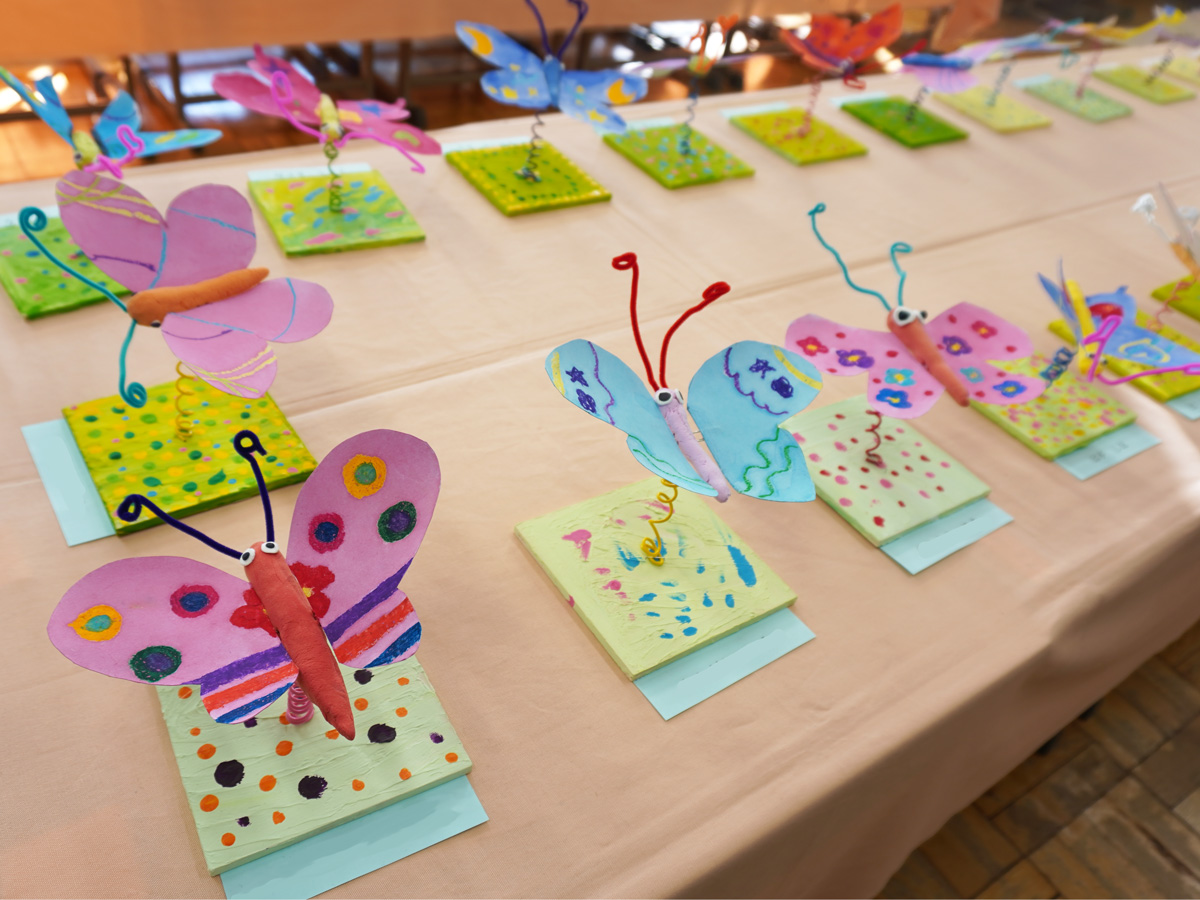
Grade 1
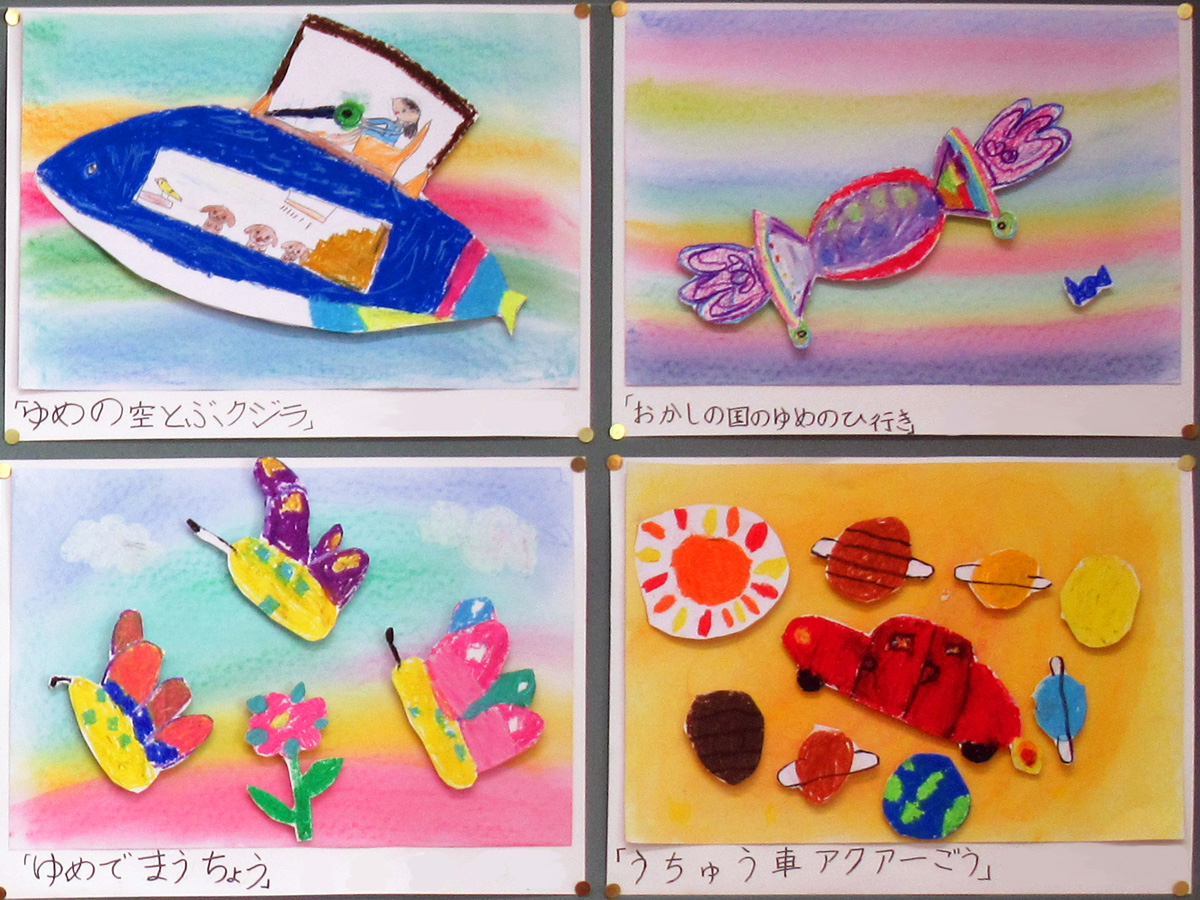
Grade 2
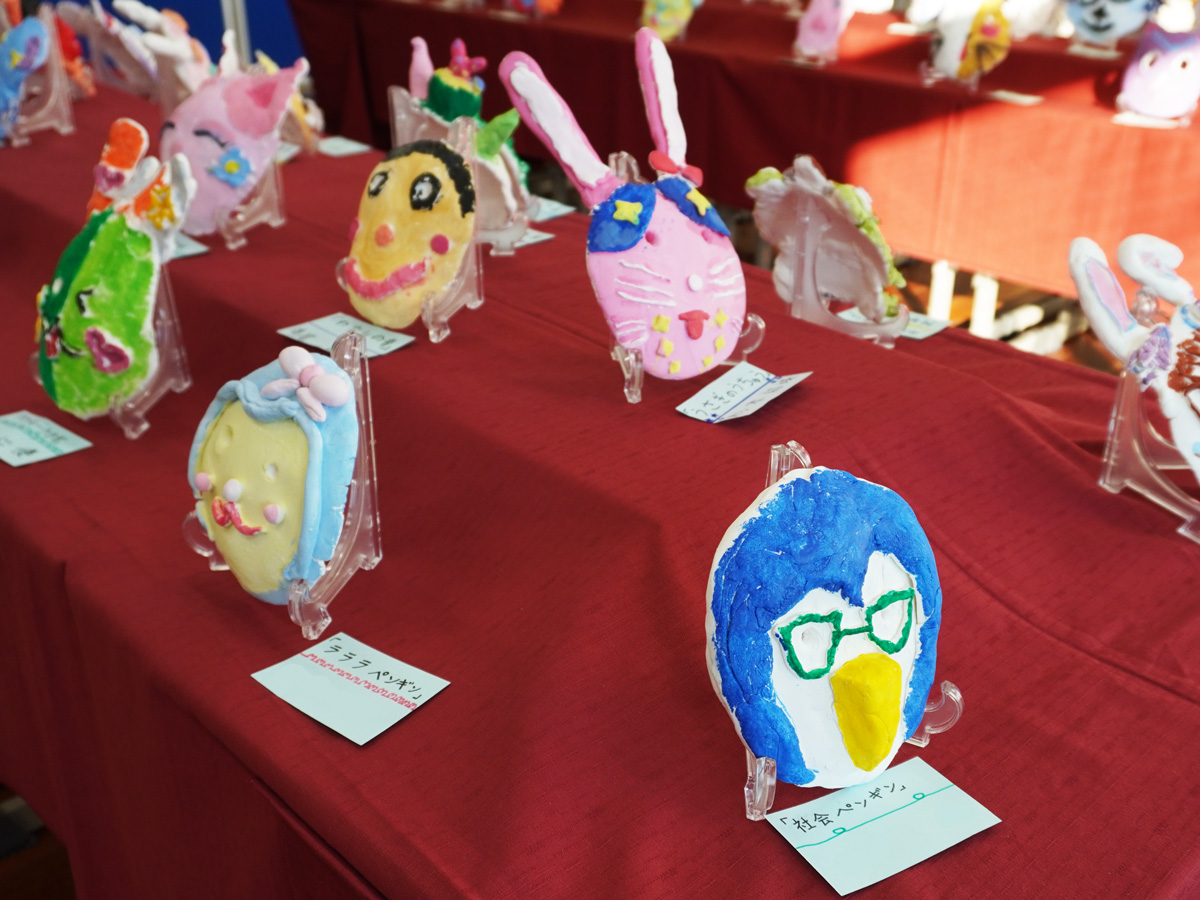
Grade 3
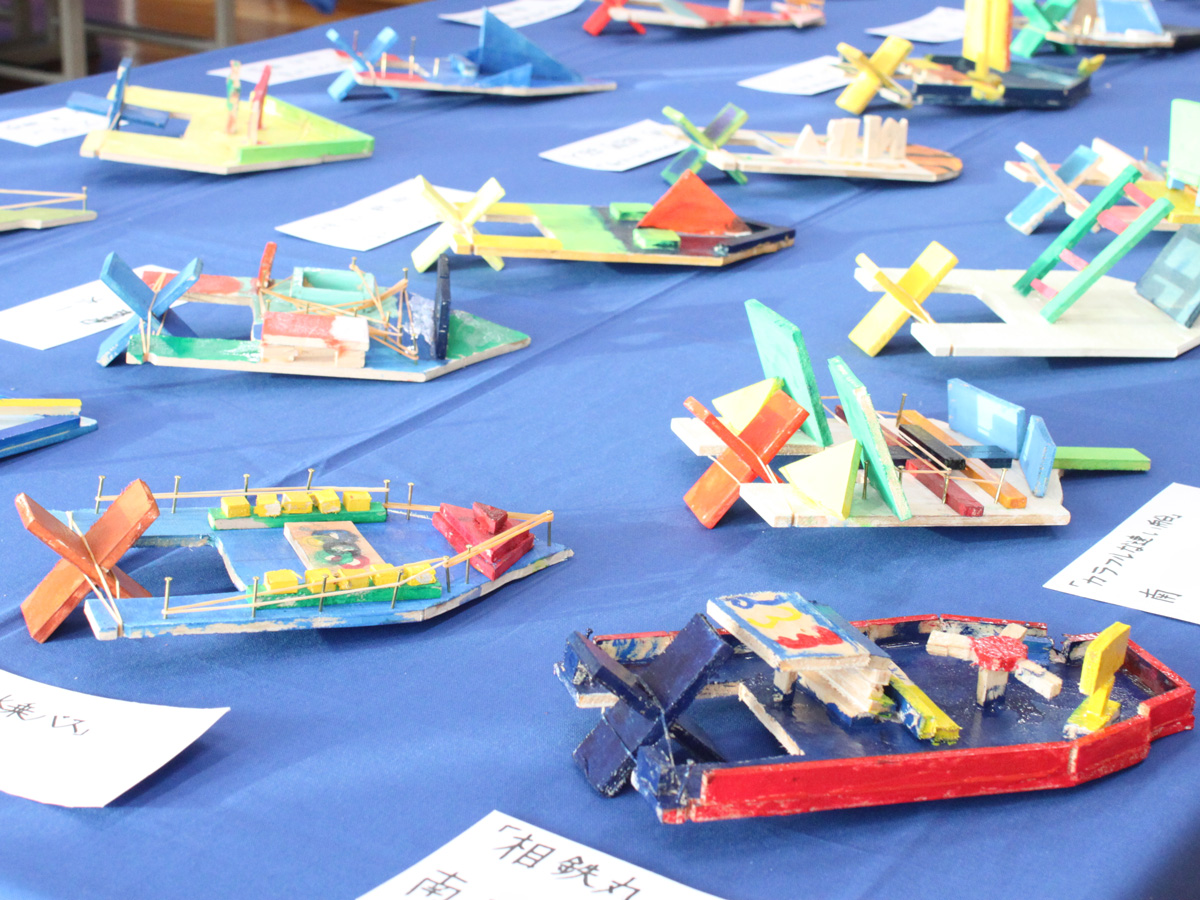
Grade 4
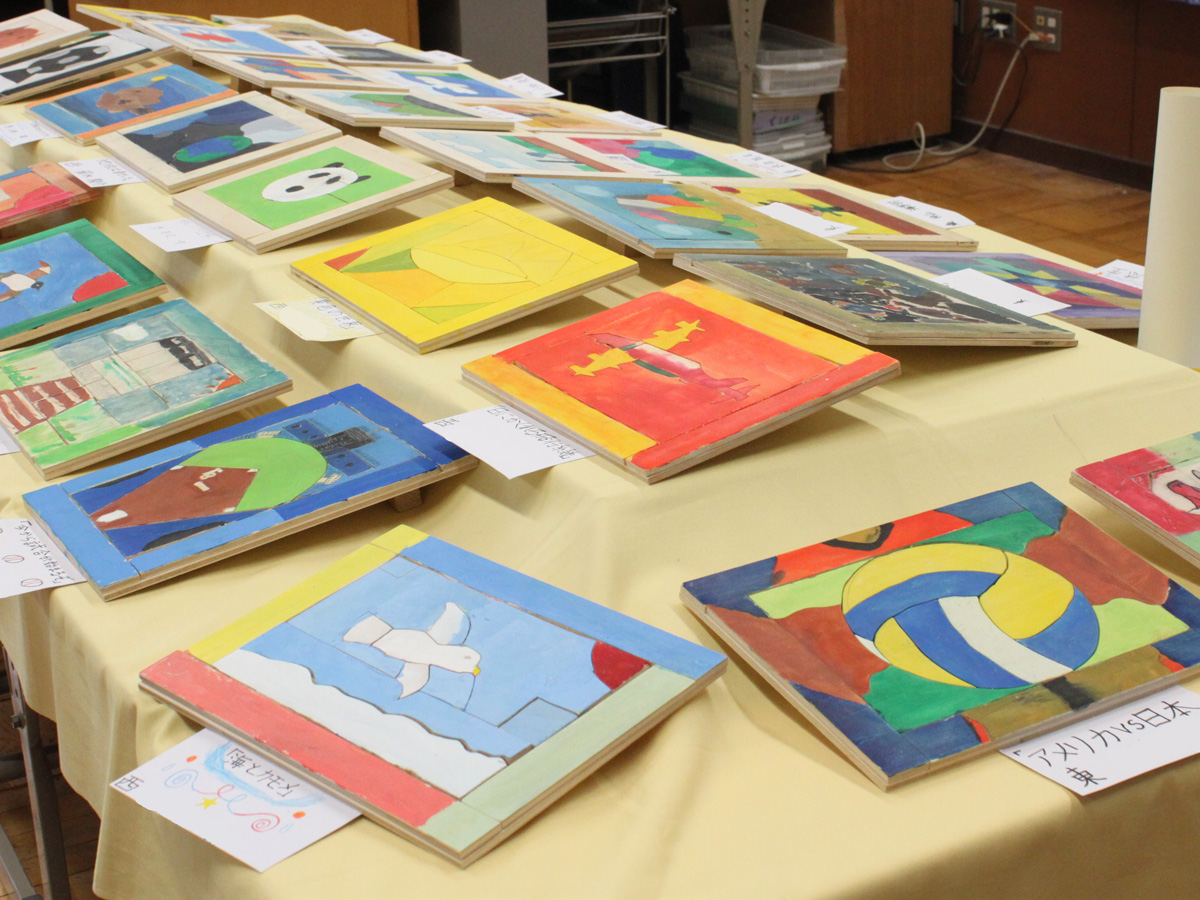
Grade 5
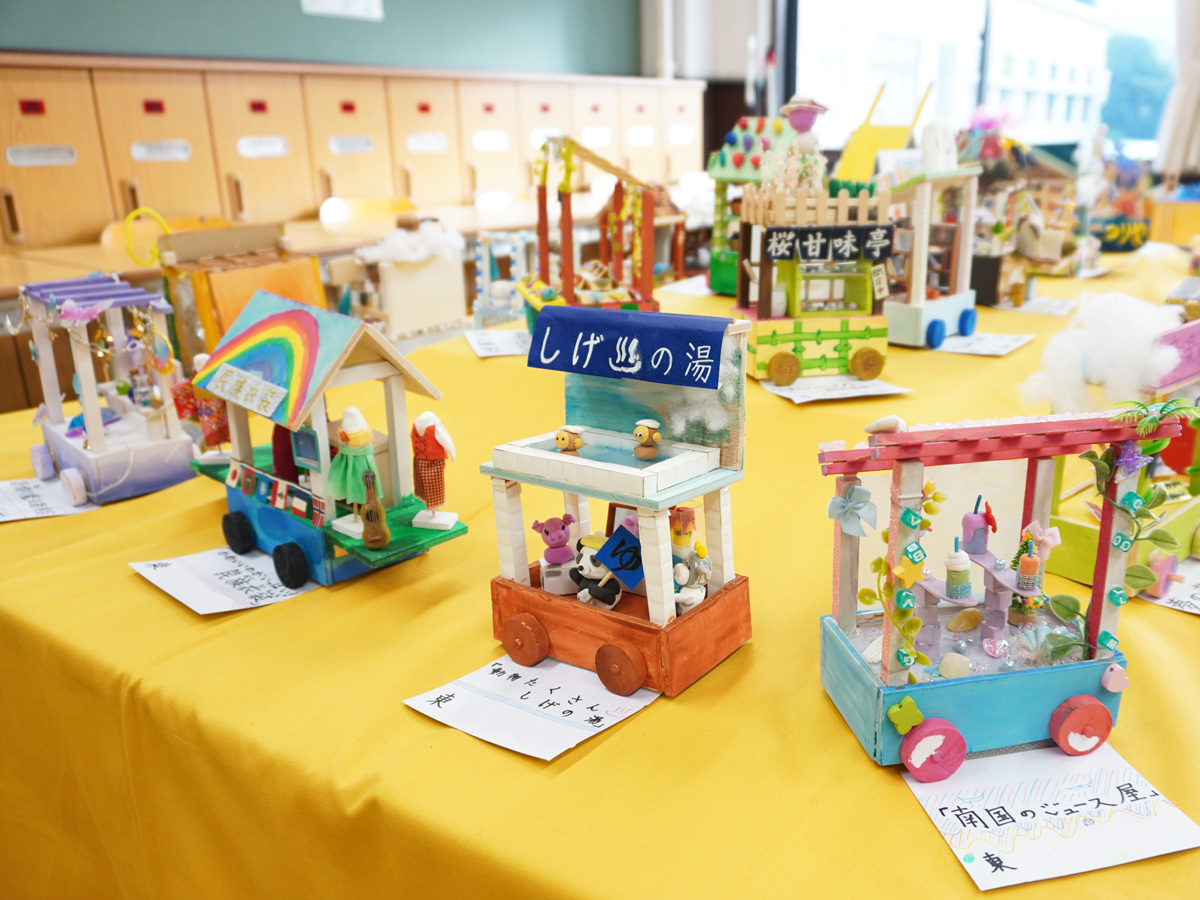
Grade 6
Tokyo Private Elementary School Children’s Exhibition (“Hora, Dekitayo!”), at Matsuya Ginza
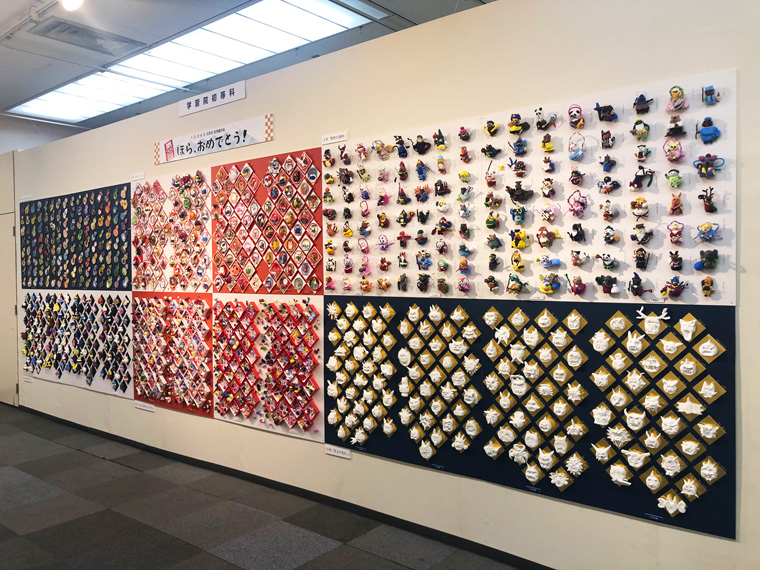
35th “Hora, Dekitayo!” exhibition for Grades 1 to 6
Joint exhibition of works by all students at the school
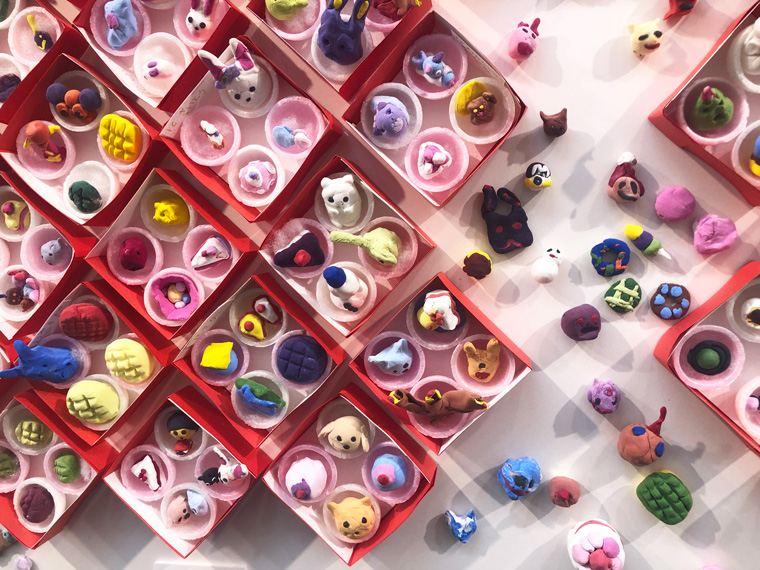
Grade 1: "From Red and White Mochi Cups”
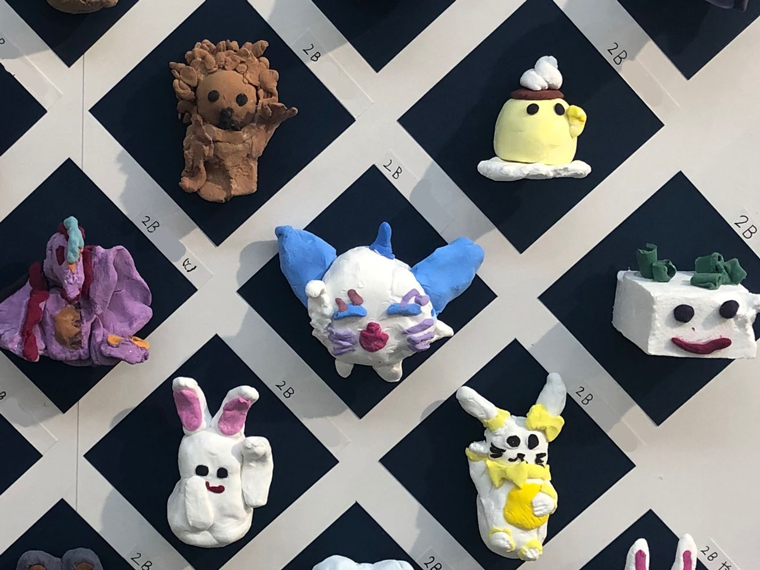
Grade 2: “Maneki (Beckoning) Creatures”
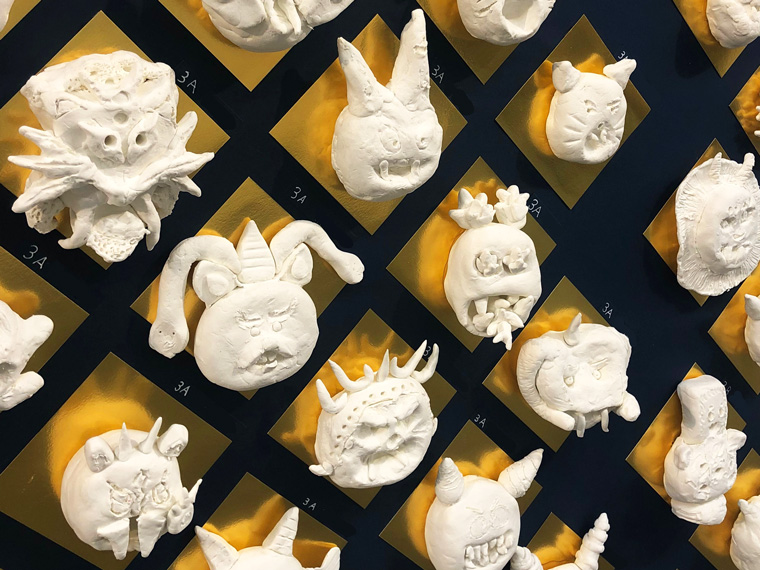
Grade 3: “Talisman Demons”
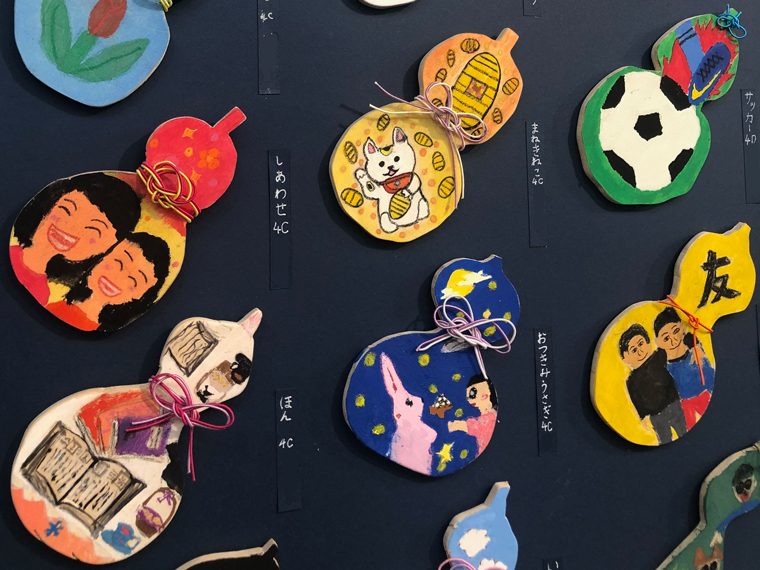
Grade 4: “Wishes on Gourds”
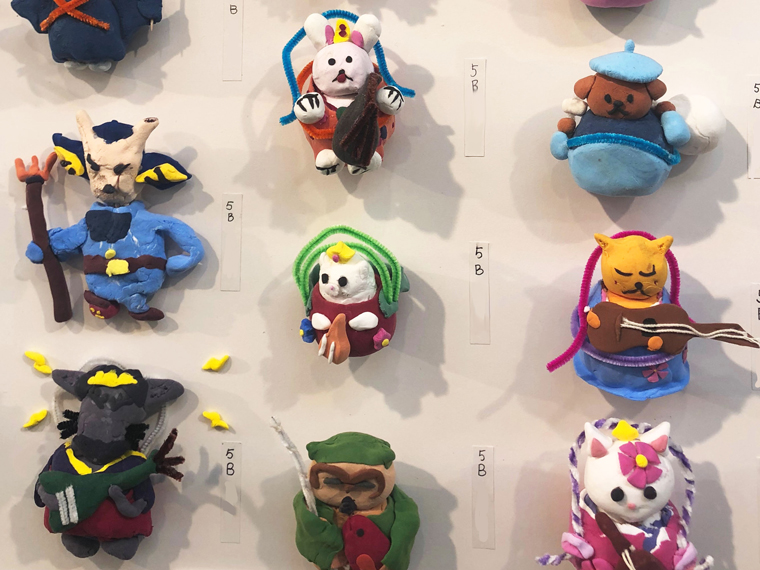
Grade 5: “Seven Animal Gods of Good Fortune”
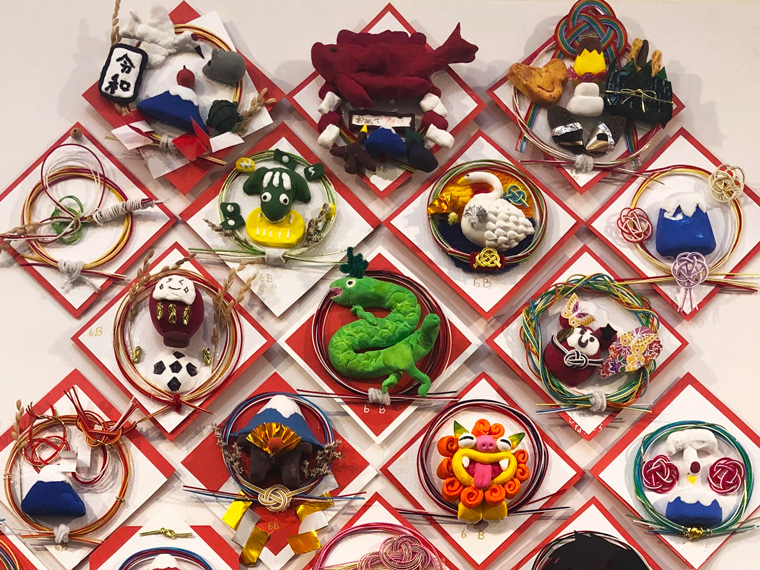
Grade 6: “Wreaths Made With Mizuhiki Cords”
Beyond the curriculum
Students tend to get attached to the artwork they create. However, another fun aspect of making art is to use their creations in classes of other subjects and enjoy them to the fullest.
In Grade 1, students create toys of fish in a papercutting module and then play with them in the water in swimming class. Even children who feel uncomfortable in water naturally start to feel more relaxed in water when they play with their proud creation.
Grade 5 students create small human figures out of wood and nails in a woodworking module. They then make a stop-motion animation video using the figure as a character of themselves. In computer class, they use programming techniques to add music to the data and have fun with it.
This approach allows students to enjoy making things wholeheartedly, not only within a single subject, such as drawing and painting, but more broadly in other contexts and situations in their life.
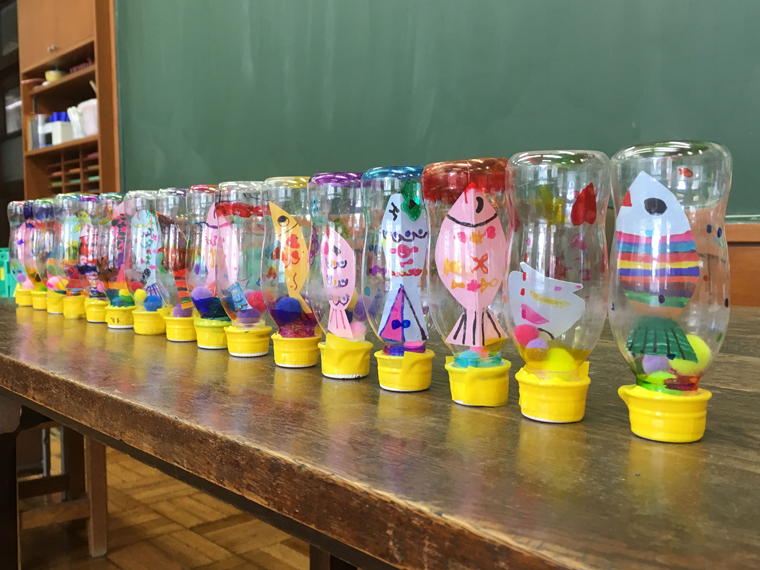
Grade 1: “Fish Toys”
Used in swimming classes
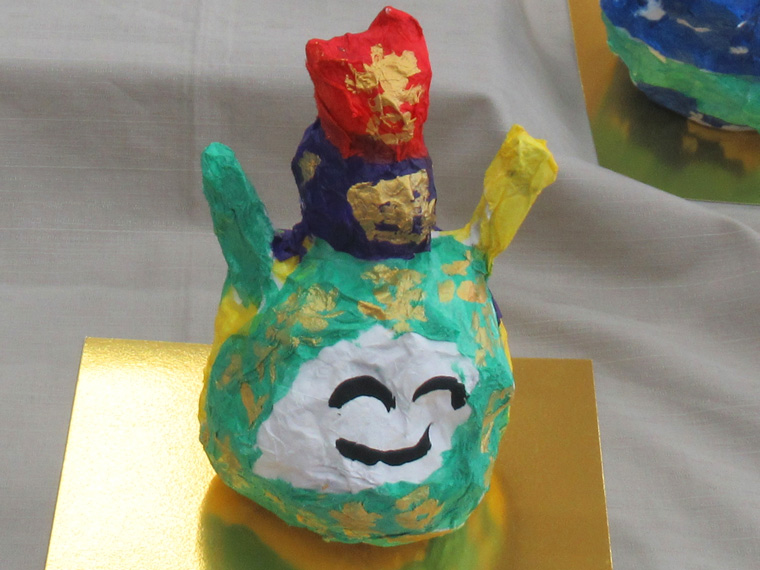
Grade 2: “Types of Daruma”
Created during Japanese culture lessons in Lifestyle
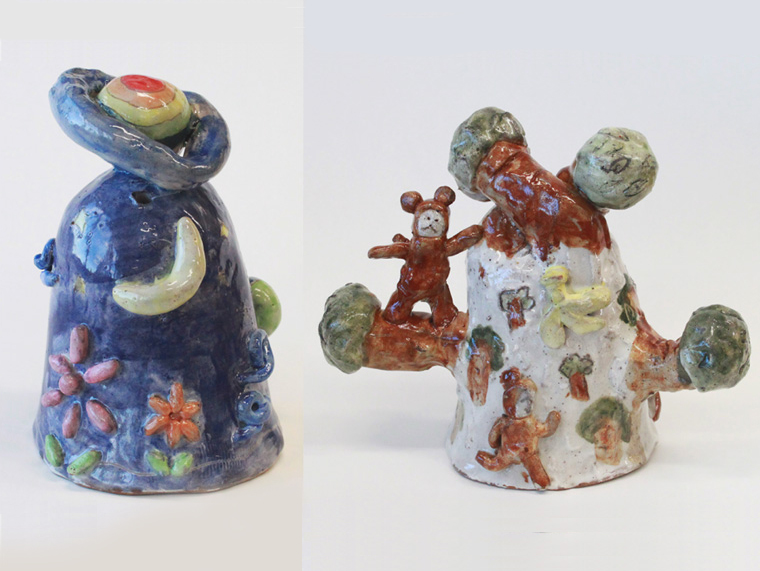
Grade 4: “Handbells”
Used in music classes
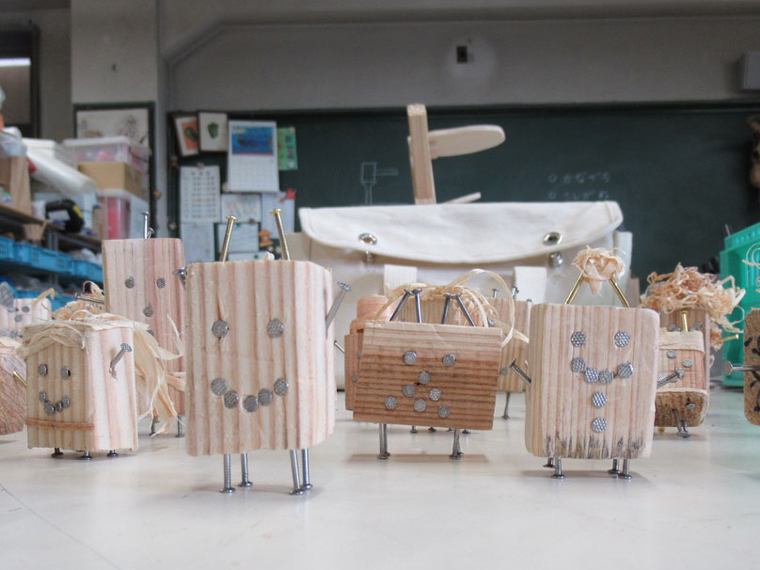
Grade 5: “Kakukaku-kun” (human figures made of wood and nails)
Used during programming lessons in Computer Science